
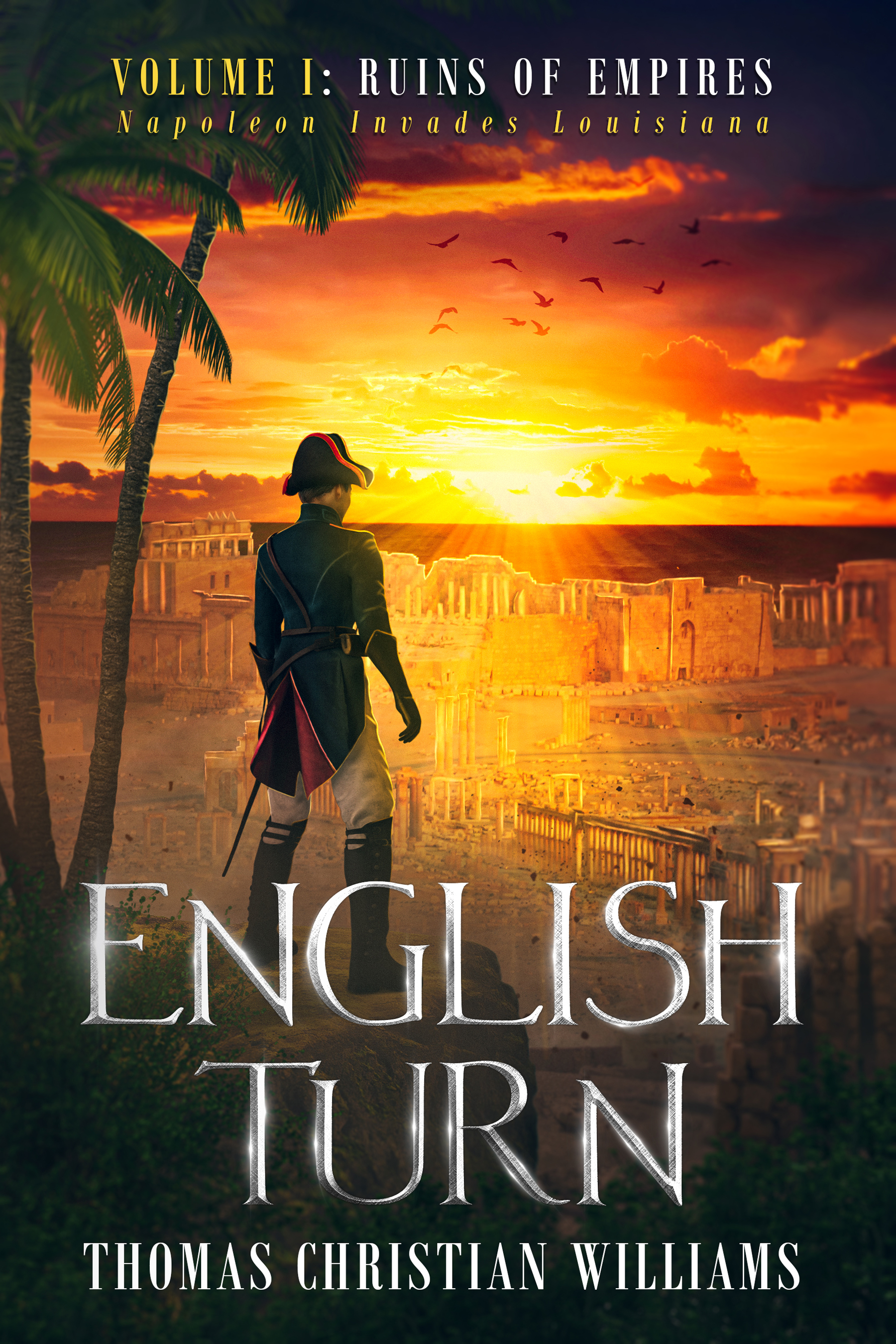
Jefferson's Hidden Library
Why did the third president of the United States anonymously translate a French philosopher's meditation on the fall of empires? The answer reshapes American history.
Thomas Jefferson owned more than 6,000 books. He read in seven languages. And for nearly two centuries, scholars overlooked one of his most consequential literary acts: the anonymous English translation of Volney's Ruins of Empires.
A Translation in Two Voices
The translation was officially credited to a London bookseller. Jefferson worked on it in secret, in the evenings, during the years he was Vice President. He chose every word as carefully as he had chosen the words of the Declaration.
"I have read your book with great pleasure, and consider it as the most useful work that has appeared in our time."
Why anonymity? Because in 1799 America, to be publicly associated with a French rationalist meditation on the death of empires would have cost Jefferson the presidency. The book that arguably shaped American freethought was smuggled into the culture by its future president, wearing a borrowed name.
Thanks for reading. Share this essay if it sparked something.
Keep reading
More essays
When Republics Forget Their Ruins
Volney walked through Palmyra and saw the silent stones of a vanished empire. Two centuries later, the same warning hangs over modern democracies.
January 2026AI, Empire, and the New Babel
From Babylon to Silicon Valley, the dream of a single universal language has always preceded the fracture. Volney saw it coming.