
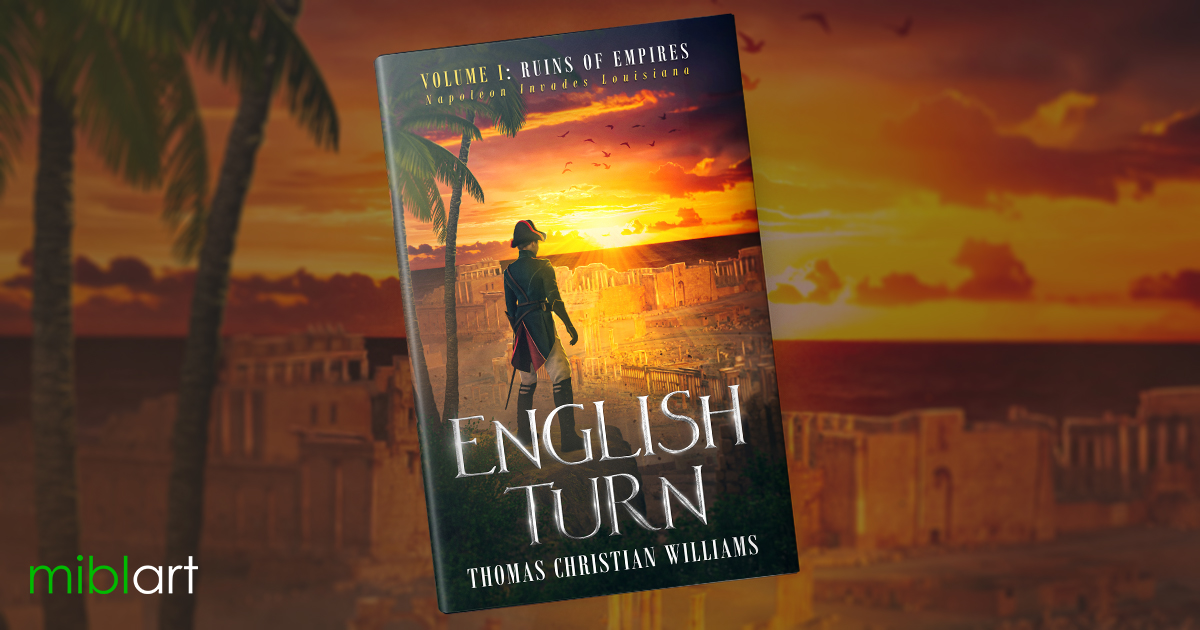
When Republics Forget Their Ruins
Volney walked through Palmyra and saw the silent stones of a vanished empire. Two centuries later, the same warning hangs over modern democracies.
In 1783, a young Frenchman named Constantin-François Volney stepped off a ship in Alexandria and began a journey that would carry him across the Ottoman Empire on foot, by camel, and by horseback. He returned home four years later with a manuscript that would change the way Europe read its own future.
The Stones That Speak
What Volney saw in Palmyra was not romantic decay. It was evidence. Each fallen column was a sentence in a long argument about how civilizations dissolve — not in a single catastrophe, but in a thousand small concessions to luxury, fear, and forgetfulness.
"Hail, solitary ruins! holy sepulchres and silent walls! you I invoke; to you I address my prayer."
Modern democracies share a peculiar blindness. We are taught that our institutions are permanent because they are written down. But Palmyra's laws were written down too. So were Rome's. So were the careful constitutions of a dozen vanished republics whose names we no longer recite.
What We Choose to Remember
Volney's warning was not that empires fall. It was that they fall in the same way, for the same reasons, and that each generation believes itself exempt. The ruins are not in the desert. They are in the civic memory we let erode one news cycle at a time.
Thanks for reading. Share this essay if it sparked something.
Keep reading
More essays
Jefferson's Hidden Library
Why did the third president of the United States anonymously translate a French philosopher's meditation on the fall of empires? The answer reshapes American history.
January 2026AI, Empire, and the New Babel
From Babylon to Silicon Valley, the dream of a single universal language has always preceded the fracture. Volney saw it coming.